
By: Dorcas Sunday,
Researchers at the UF/IFAS Center for Public Issues Education in Agricultural and Natural Resources (PIE Center) integrated a science communication intervention into a college communication ethics class and found that the intervention played a significant role in shaping students’ risk perceptions and behavioral responses to avian influenza outbreaks.
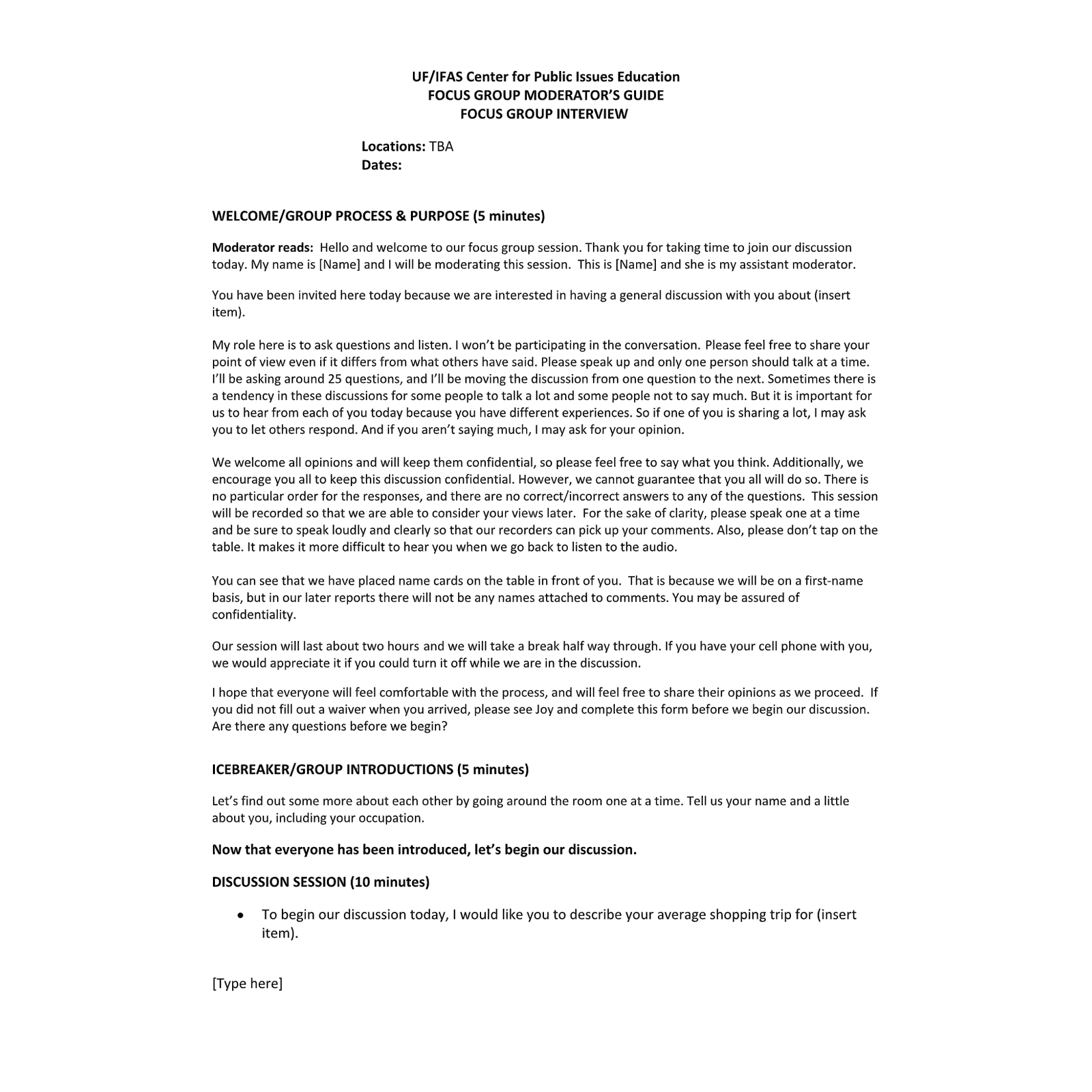
The science communication intervention was used to assess how college students think about and react to messages related to avian influenza outbreaks. The intervention involved engaging students in a discussion about guidelines for ethical communication and how the news media’s description of the avian influenza outbreaks can influence the way people think and respond, ultimately helping them become better communicators.
Students also viewed digital news media stories and compared them to the stories from sources that adhered to these guidelines, such as the Centers for Disease Control and Prevention.
Avian influenza, also known as bird flu, is a viral disease that can spread among farm birds and wild birds and has been found in U.S. poultry and dairy cows. Since 2024, around 70 human cases have been reported among U.S. dairy and poultry workers, which is why it has been in the news.
Because of this, the science communication intervention was made using unbiased and science-focused messages to help college students better understand avian influenza and to reduce the impact of the news media stories on students’ thoughts and responses.
Science communication is important during outbreaks like avian influenza to help individuals understand risks and the prevention of disease outbreaks. Science communication helps guide actions that promote public health.
In this context, the science communication intervention facilitated:
- Audience engagement
- Clear messaging about avian influenza
- Simplifying a complex agricultural issue
- Students’ discussion on real-world issues
The science communication intervention made use of verbal and visual communication skills, a PowerPoint presentation, graphics, dialogue and activities to educate participants about avian influenza. This was intended to improve audience response to the avian influenza news media stories through a combination of research and science communication to:
- Improve knowledge about the disease
- Simplify research into clear messages
- Improve risk perception
- Encourage healthy behaviors
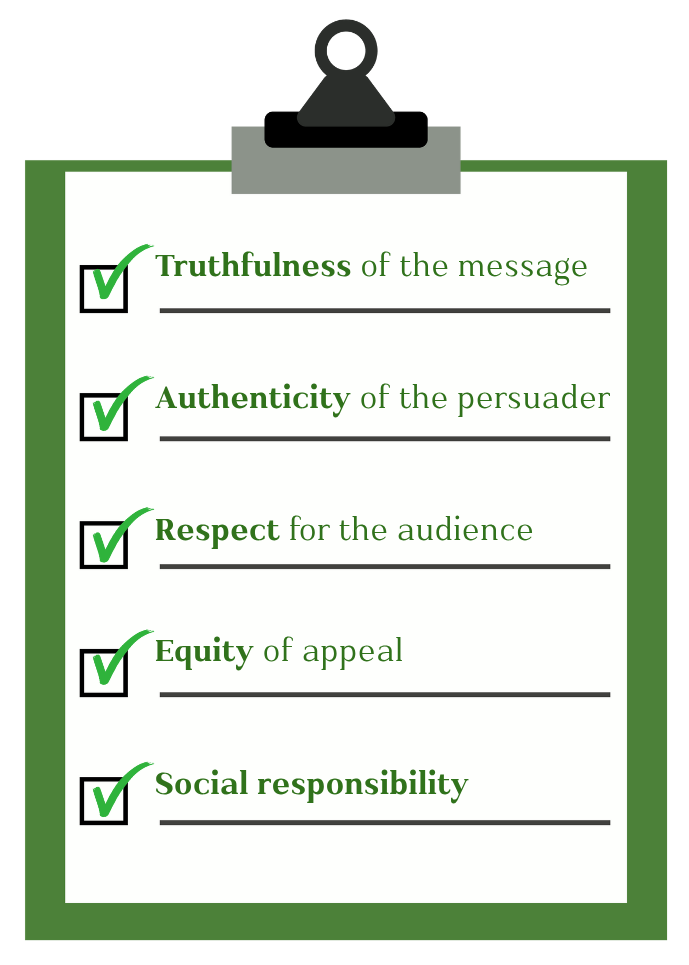
The science communication intervention also included key elements and criteria for ethical communication during disease outbreaks. This approach focused on the importance of clear, timely messaging based on facts to prompt the desired behavioral response during avian influenza outbreaks.
Communicating ethically requires:
- Truthfulness of the message
- Authenticity of the persuader
- Respect for the audience
- Equity of appeal
- Social responsibility
If you have questions about using the resources or would like to know more, contact Dorcas Sunday or Lauri Baker.