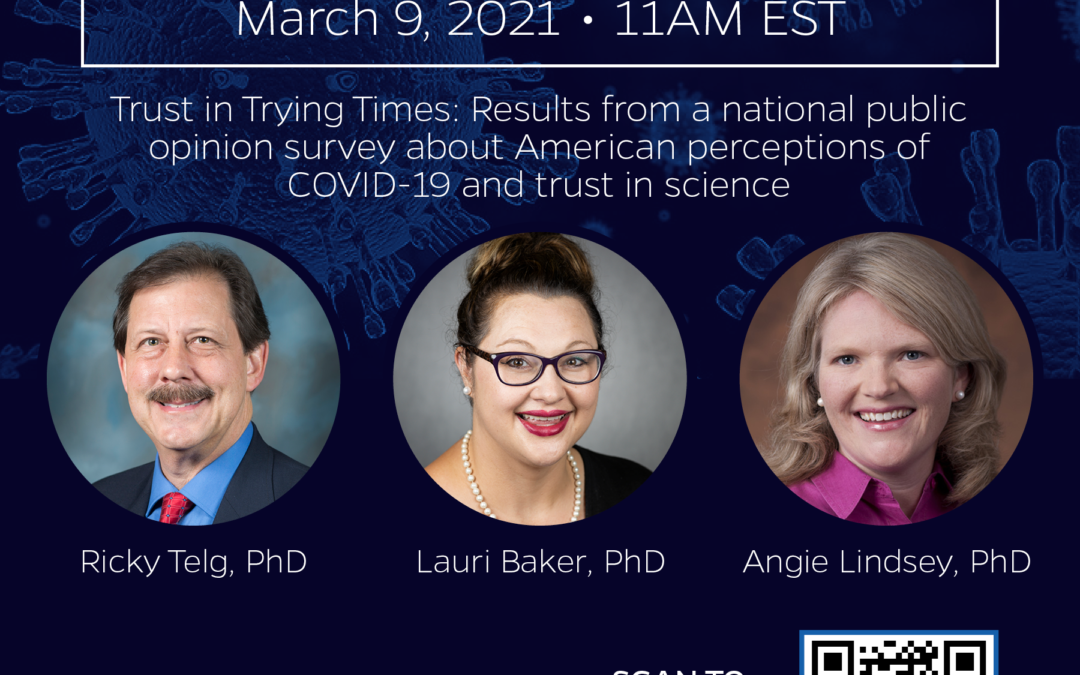
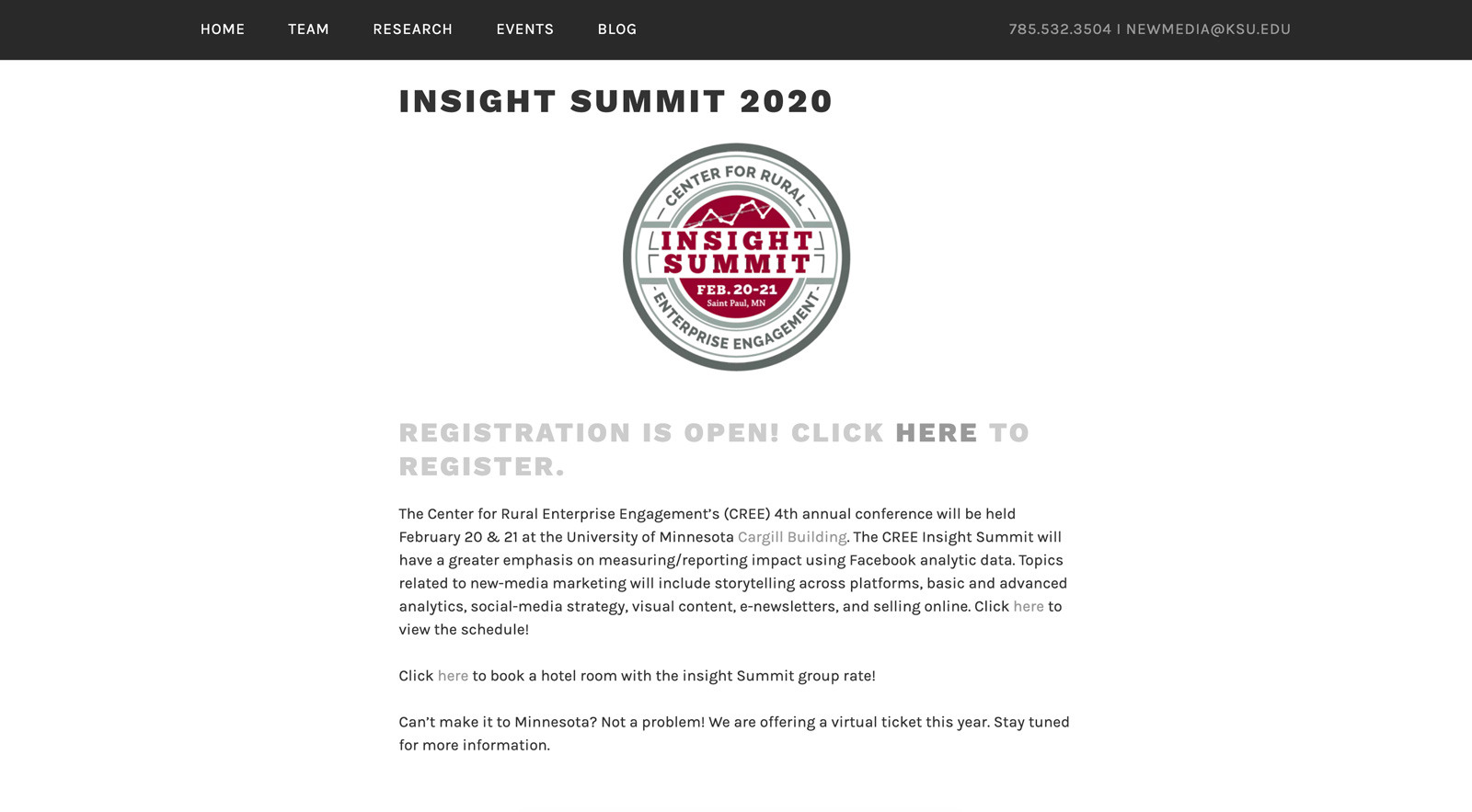
Lauri M. Baker serves as Assistant Dean of Research for UF/IFAS and is a professor in the UF/IFAS Department of Agricultural Education and Communication, with a research and extension appointment. She is an affiliate faculty member with the UF/IFAS Center for Public Issues Education (PIE Center). Previously, she was faculty at Kansas State University for eight years, where she earned tenure and co-founded the Center for Rural Enterprise Engagement (CREE). She continues her work with CREE and integrates her research and extension work with both PIE Center and CREE. Baker earned her bachelor’s degree in agricultural communications from Texas Tech University in 2003. Following her graduation, she served as Vice President and Director of Communication for the Texas Wheat Producers Board and Association. After four years in the industry, Baker returned to school to pursue her master’s and Ph.D. in agricultural communication from the University of Florida in 2009 and 2011, respectively.
Her research interests include new-media technologies, communication preferences and the impact on local communities, public health communication, online technology for economic development, marketing and branding through new and social media, strategic communication and audience analysis, and land-grant university communication, and crisis and organizational communication.